
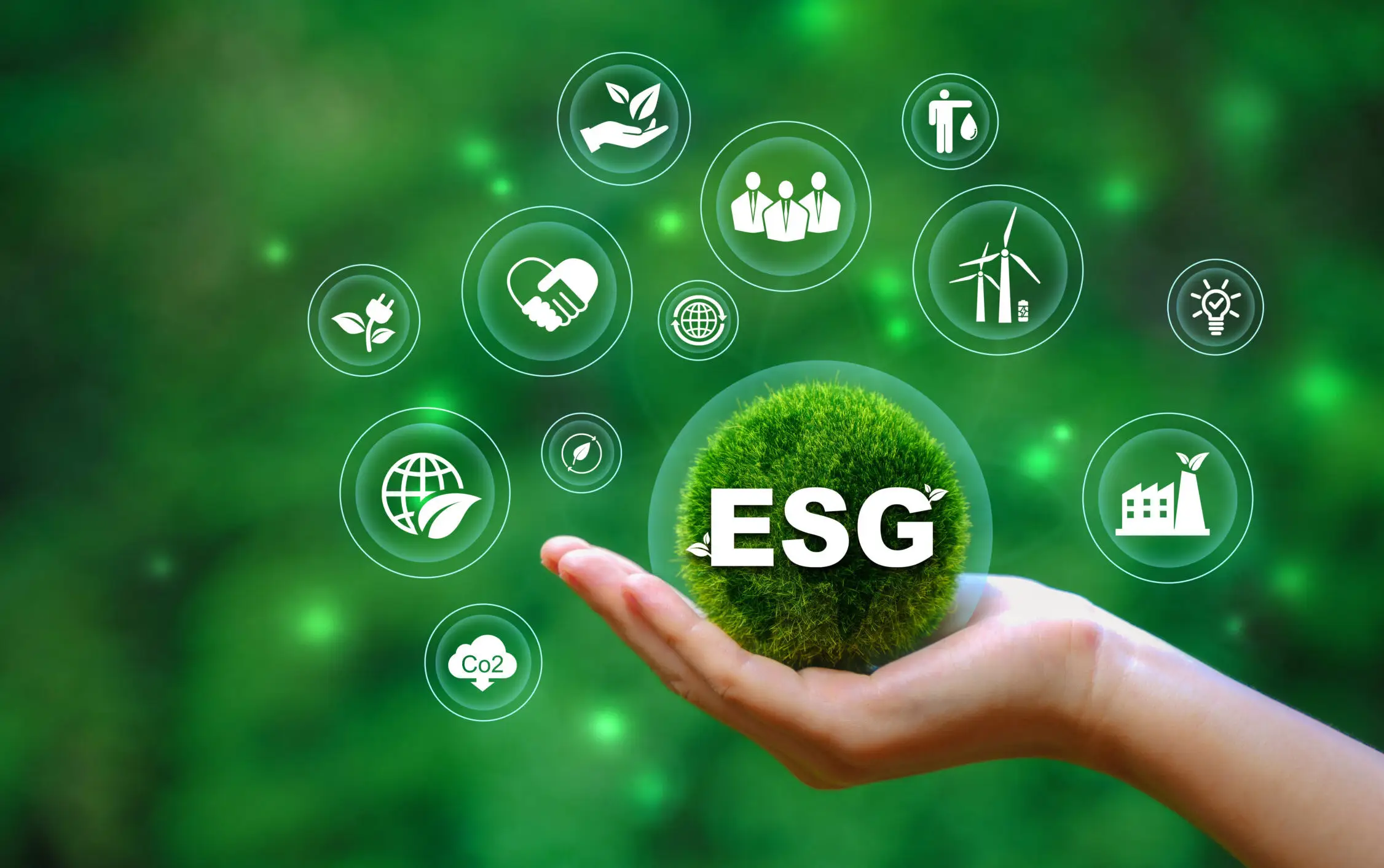
ENVIRONMENTAL GOVERNANCE: BUILDING A SUSTAINABLE FUTURE
Environmental challenges such as climate change, pollution, deforestation, and loss of biodiversity have become major global concerns. To address these issues effectively, Environmental Governance plays a crucial role. It refers to the systems, policies, and processes through which governments, organizations, and citizens manage and protect the environment for sustainable development.
INTRODUCTION
Environmental challenges such as climate change, pollution, deforestation, and loss of biodiversity have become major global concerns. To address these issues effectively, Environmental Governance plays a crucial role. It refers to the systems, policies, and processes through which governments, organizations, and citizens manage and protect the environment for sustainable development.
WHAT IS ENVIRONMENTAL GOVERNANCE?
Environmental Governance is the framework that guides how environmental decisions are made and implemented. It involves collaboration among governments, private organizations, non-governmental organizations (NGOs), and the public to ensure responsible use of natural resources and environmental protection.
IMPORTANCE OF ENVIRONMENTAL GOVERNANCE
Environmental governance is essential for several reasons:
- Helps control climate change and environmental degradation
- Protects forests, wildlife, and ecosystems
- Ensures clean air and safe drinking water
- Strengthens environmental laws and regulations
- Promotes sustainable economic growth
KEY PRINCIPLES OF ENVIRONMENTAL GOVERNANCE
- Policy and Legislation
Strong environmental policies and laws are required to regulate pollution, conserve resources, and promote sustainability.
- Transparency and Accountability
Open decision-making processes and accountability ensure that environmental policies are properly enforced.
- Public Participation
Active involvement of citizens in environmental decision-making improves policy effectiveness and awareness.
- Institutional Framework
Effective institutions and regulatory bodies are necessary to monitor and implement environmental policies.
ROLE OF GOVERNMENT
Governments are central to environmental governance. Their responsibilities include:
- Developing and enforcing environmental laws
- Implementing climate change and sustainability policies
- Supporting renewable energy initiatives
- Regulating industrial pollution and waste management
ROLE OF THE PRIVATE SECTOR AND NGOS
Environmental governance is not limited to governments alone:
- Private companies can adopt eco-friendly technologies and sustainable business practices
- NGOs raise awareness and advocate for environmental protection
- Research institutions contribute to innovation and policy development
CHALLENGES IN ENVIRONMENTAL GOVERNANCE
Despite its importance, environmental governance faces several challenges:
- Weak enforcement of environmental laws
- Limited public awareness
- Political and economic pressures
- Lack of financial and technical resources
- Rapid urbanization and industrial growth
SOLUTIONS AND THE WAY FORWARD
To strengthen environmental governance, the following actions are necessary:
- Promoting environmental education and awareness
- Strengthening monitoring and enforcement mechanisms
- Encouraging green technologies and renewable energy
- Enhancing collaboration between public and private sectors
CONCLUSION
Environmental Governance is the foundation of sustainable development. Through strong policies, transparent systems, and active public participation, societies can protect the environment and ensure a healthier planet for future generations. Collective responsibility and effective governance are key to achieving long-term environmental sustainability.
