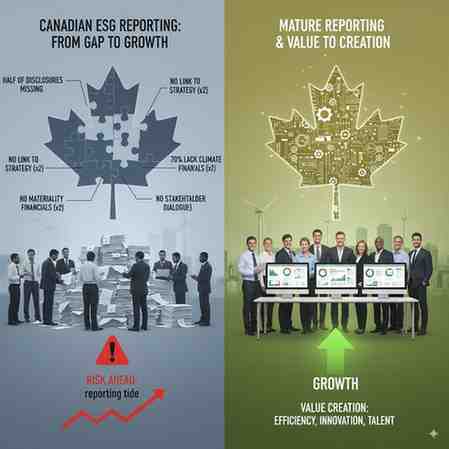
Ever feel like “ESG” is one of those buzzwords that sounds good on slides but disappears in the day-to-day grind? In 2025, it no longer does. ESG isn’t a slogan—it’s becoming a driver of strategy. Here’s how companies embracing it are making responsibility an opportunity, risk resilience, and values value.
What’s Changing
Regulation is catching up
Governments in the U.S. are tightening up ESG rules: reporting, green claims, how companies disclose risk. If you’re still winging it, those gaps could cost you—legally, financially, reputationally.
Investors want proof, not promises
People are asking: What are your emissions? Your diversity metrics? Your supply chain? Vague, aspirational language just doesn’t cut it. The scoreboard is changing.
Climate risk (both physical + transition) is front and center
Hurricanes, droughts, increasing regulation of carbon—any of that is no longer “future risk.” It’s present. Firms that realize what they could lose if climate risks play out (or regulation becomes more stringent) gain an edge.
Social + Governance aren’t add-ons—they’re fundamentals
Diversity, inclusion, fair labor practices, ethical governance: these aren’t “soft issues.” They impact brand, employee retention, customer trust, and yes—financial performance.
Supply Chain Resilience & Transparency
Disruptions (consider pandemic, geopolitical surprises, weather events) revealed vulnerability. ESG now equals screening suppliers, making sure you’re sourcing ethically, determining what’s going on upstream and downstream, not only in your headquarters.
How Businesses Are Getting It Done
Integrate ESG into overall strategy—not only in CSR or advertising. When you integrate sustainability into operations, finance, product development, you have leverage.
Measure what matters. Define metrics. Utilize third-party standards / verification. Be transparent about what you can’t measure yet (then get better).
Be transparent, internally and externally. Communication isn’t projection—it’s trust. Demonstrate both wins and where you’re still figuring things out matters.
Invest in systems + people. ESG data collection, analytics, compliance, governance, risk teams—all must be actual parts of the org chart.
Plan for contingencies. Climate / regulatory risk isn’t next year’s issue—it’s this year’s. Businesses that prepare for various scenarios (tightening regulation, supply chain disruption, resource scarcity) are ahead of the curve.
What to Watch Out For
Greenwashing & “ESG washing”: Don’t promise “green” without substance. Auditors, investors, customers can spot empty claims.
Overpromising: One giant bullseye with no road map or milestone goals can fail.
Trade-offs overlooked: A sustainability step forward in one dimension (e.g., sourcing) can generate risk elsewhere (e.g., labor or biodiversity). Systemic thinking prevails.
Tokenism: Inviting community/stakeholder voices for show alone is risky. True inclusion = empowerment, decision rights, accountability.
The Upside: Why This Matters More Than Ever
Improved access to capital. Investors increasingly direct funds to companies with sound ESG performance.
Healthier brands. Customers matter. Employees matter. Communities matter. Authenticity drives loyalty.
Resilience. Strong ESG firms do better at weathering shocks—climate disruptions, regulatory changes, or supply chain collapse.
Long-term cost savings + risk reduction. Reduced costs through efficiency, waste reduction, lower exposure to fines / lawsuits / environmental liabilities.
Final Word
If your organization hasn’t yet begun taking ESG seriously, 2025 is the year to arrive. Strategy, measurement, transparency—not goals, but action. Purpose + profit isn’t a choice anymore. They should (and can) be two sides of the same coin.